Cognitive Influences on Choices in Digital Gambling Environments
Researchers have long examined how mental shortcuts affect selections during online wagering, and data from multiple studies reveal consistent patterns across platforms. People encounter rapid information flows in these settings, which can amplify certain biases while users place bets or adjust stakes. According to reports from the Canadian Centre on Substance Use and Addiction, these processes often lead to repeated actions that deviate from initial plans, especially when sessions extend beyond short durations.
Key Biases Observed in Wagering Contexts
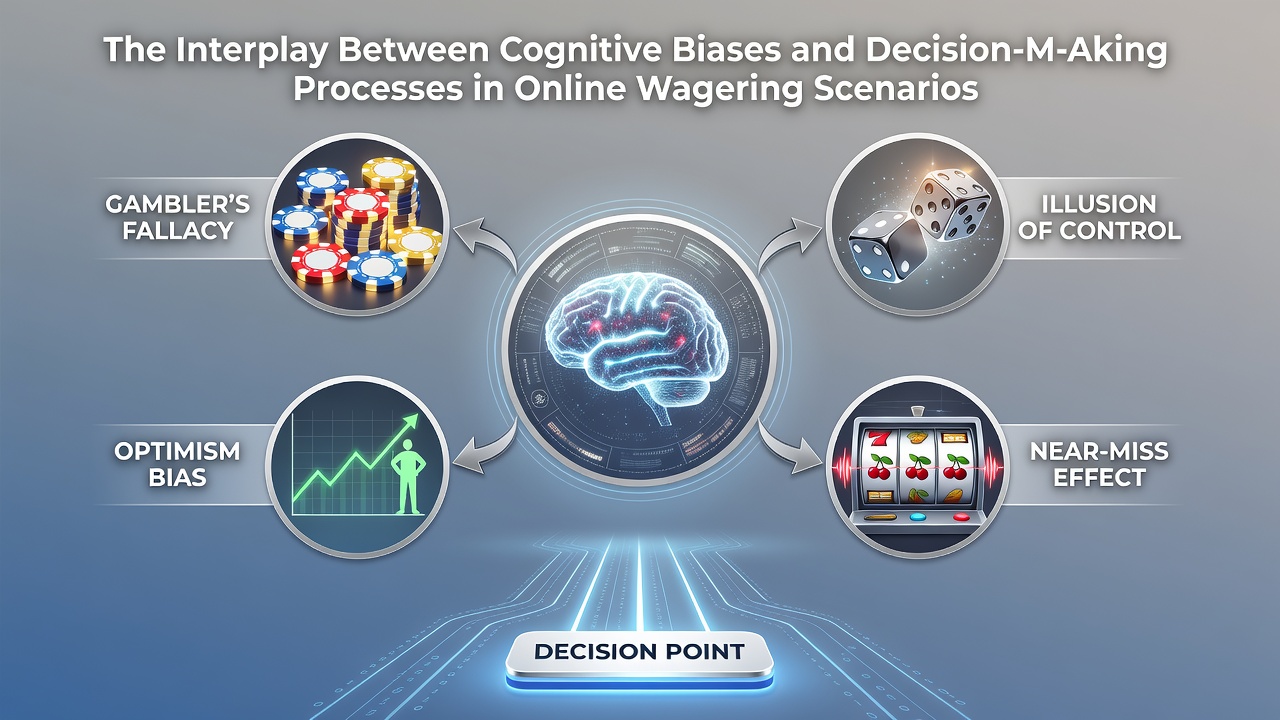
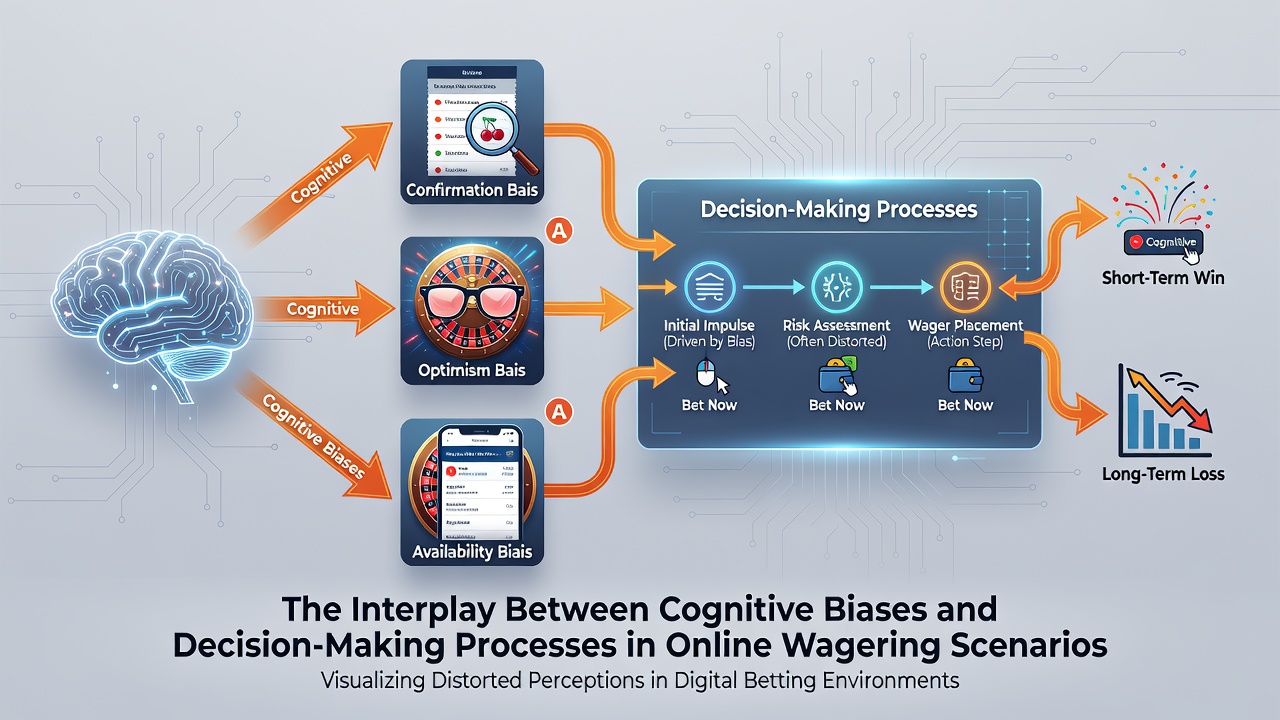
The availability heuristic stands out because individuals tend to recall recent wins or losses more vividly than overall outcomes, and this recollection guides subsequent bets even when statistical probabilities remain unchanged. Confirmation bias compounds the issue as users seek out data that supports their current strategy while downplaying contradictory evidence from game histories or payout records. Studies conducted by the University of Sydney's Gambling Research Unit found that such patterns appear frequently in digital environments where instant feedback loops reinforce selective attention.
Loss aversion also plays a central role, prompting users to chase previous shortfalls with larger wagers in attempts to recover equilibrium. Evidence from Australian Institute of Family Studies tracking shows this tendency intensifies during live sessions because real-time updates keep recent deficits prominent in memory. Meanwhile, the illusion of control emerges when players attribute outcomes to personal skill despite reliance on random generators, and this perception persists across various game types from slots to table simulations.
Online Specific Factors Amplifying These Effects
Platform designs contribute directly because elements like auto-play options and quick deposit features reduce pauses that might otherwise allow reflection. Observers note that mobile interfaces further accelerate these dynamics by enabling continuous access without physical transitions to different locations. In October 2026, regulatory updates from the Nevada Gaming Control Board highlighted how interface pacing correlates with extended play durations in monitored markets, prompting operators to adjust notification systems for session length.
Personalized promotions add another layer, as targeted offers align with past activity and thereby strengthen existing biases through tailored suggestions. Research indicates that when users receive reminders based on prior bets, they often extend sessions beyond planned limits because the suggestions feel aligned with established preferences. Those who have reviewed transaction logs from European operators report similar trends, where customized incentives coincide with shifts toward higher-risk selections.
Decision Pathways and Mitigation Approaches
Decision trees in these scenarios typically branch at points where emotional responses intersect with displayed odds, and analysts have mapped how initial choices cascade into longer sequences. Data from the National Institute on Drug Abuse in the United States shows correlations between unchecked bias activation and increased frequency of deposits within single sessions. Operators have responded by integrating optional tools such as reality checks that interrupt flow at set intervals, though adoption rates vary by region according to industry association summaries.
Training modules offered through some platforms aim to highlight these shortcuts in advance, presenting users with examples drawn from anonymized session data. Figures from the New Zealand Ministry of Health indicate modest reductions in average session length among those who complete such modules, suggesting that awareness alone can alter trajectories in select cases. Yet implementation remains inconsistent, and researchers continue to track outcomes across different regulatory frameworks to identify effective combinations of prompts and limits.
Conclusion
The interplay between cognitive biases and online wagering decisions reflects measurable patterns documented across academic and governmental sources, with platform features often interacting with these tendencies in predictable ways. Continued monitoring by bodies in varied jurisdictions provides ongoing data that informs adjustments to both design practices and user tools. Those examining the field note that evolving interfaces will likely sustain the need for targeted studies into how these mental processes unfold in digital spaces.